







Wisdom Tooth Removal Cost in Toronto: Complete Pricing Guide
Discover the average wisdom tooth removal cost in Toronto, including extraction prices, ODA fees, insurance coverage, CDCP details, sedation, and recovery tips.
Tooth pain rarely happens at a convenient time, and when it involves your back molars, figuring out the average Wisdom Tooth Removal Cost Toronto patients pay is usually the very first question. Understanding exactly what affects this final fee can help you make a more confident decision about your care. Treatment costs vary depending on factors such as the position of the tooth, the complexity of the extraction, and whether sedation or advanced imaging is needed. Knowing what to expect before your consultation can make the process much less stressful and help you plan your treatment with complete confidence.
Understanding Wisdom Tooth Removal Cost in Toronto
Patients experiencing sudden jaw discomfort generally want a direct numerical answer before booking an evaluation. For a fully erupted wisdom tooth, a straightforward removal typically ranges from $200 to $400. If the molar remains trapped below the gums and requires a surgical approach, expect an estimate between $400 and $750 per tooth. Removing all four simultaneously, alongside moderate sedation, generally totals around $2,100 to $2,500.
These figures are not arbitrary estimates. Ontario dentists rely on the ODA Suggested Fee Guide to maintain standard billing practices across the province. A routine pull falls under one specific code, while complicated bony impactions use different codes reflecting the required surgical time.
A common scenario involves international students who worry about out-of-pocket expenses for a partially erupted lower molar. By identifying the exact clinical code such as 72221 for partial bone impactions practitioners establish an accurate, transparent baseline. Delaying care for a severe toothache often turns a predictable visit into a Dental Emergency. Seeking a professional evaluation early helps keep these procedures affordable.
Clinical Variables That Influence Your Final Treatment Bill
Every mouth develops uniquely, meaning the exact anatomical approach varies from person to person. During an initial consultation, practitioners evaluate specific details to determine the safest method of removal.
Tooth Position and Angulation
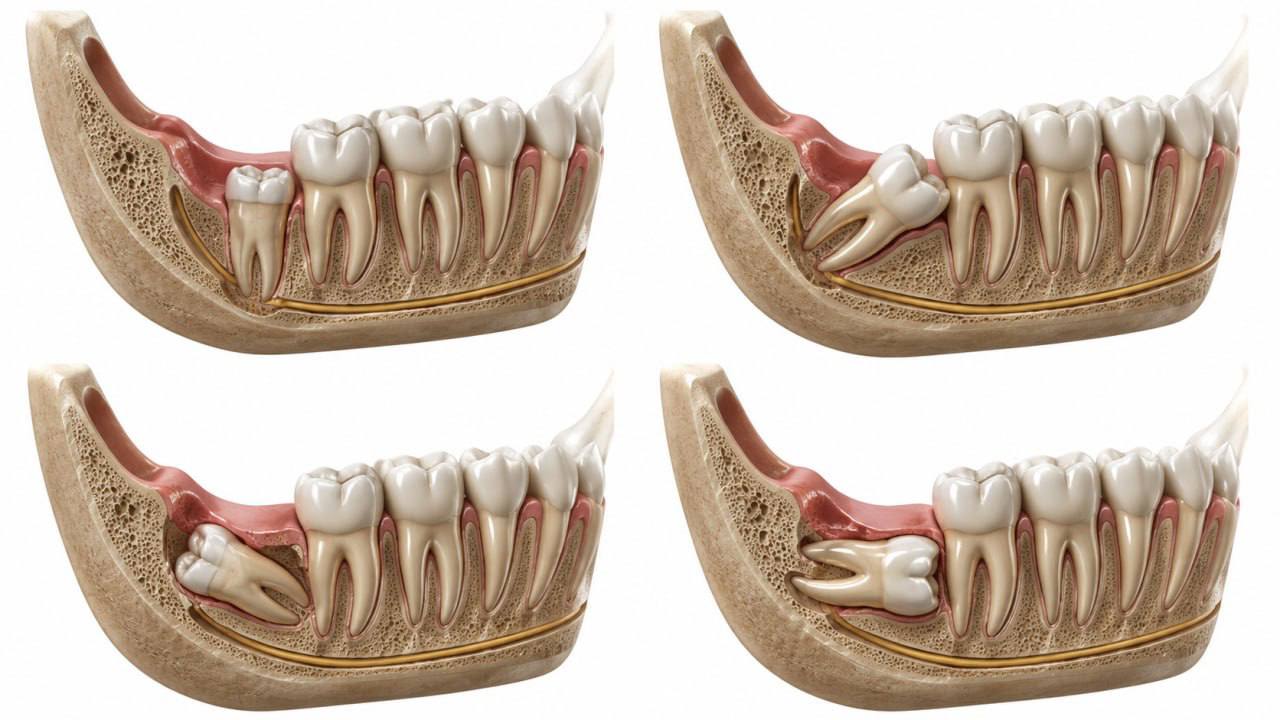
Third molars rarely grow perfectly straight. The angle directly impacts how much surgical intervention becomes necessary. Impacted wisdom teeth are categorized by their position beneath the surface:
- Vertical Impaction: Growing straight up but stuck beneath the gum tissue.
- Mesial Impaction: Angled forward toward the front teeth, representing the most common alignment issue.
- Distal Impaction: Tilted backward toward the throat, often requiring careful bone contouring.
- Horizontal Impaction: Lying entirely sideways, presenting the highest surgical challenge and requiring advanced techniques.
Diagnostic Imaging Requirements
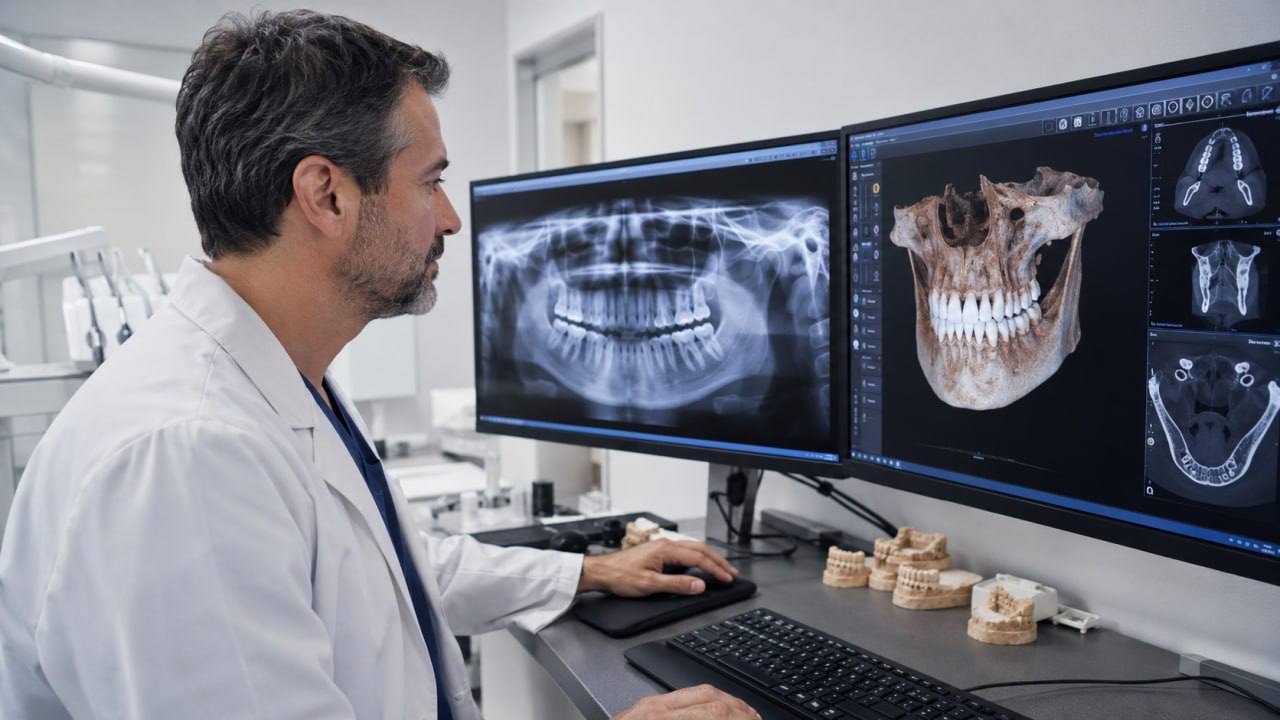
A basic visual exam cannot safely map out a surgical plan. Dentists locate sensitive facial nerves before beginning any procedure to ensure safety. A standard panoramic X-ray provides a broad overview of the jaw. For complex horizontal impactions, doctors often request 3D Cone Beam Computed Tomography (CBCT). Advanced imaging adds an initial diagnostic charge but drastically reduces the risk of long-term complications.
Sedation and Comfort Options
Local anesthesia is standard and included in base procedural codes. However, nervous patients or individuals undergoing difficult surgeries frequently choose deeper relaxation methods. Nitrous oxide offers mild relief for a modest addition. Intravenous (IV) sedation requires specialized monitoring equipment and adds a few hundred dollars to the overall treatment plan. You can review our full range of sedation and comfort options before your appointment.
What Is the Difference Between Simple and Surgical Removal?
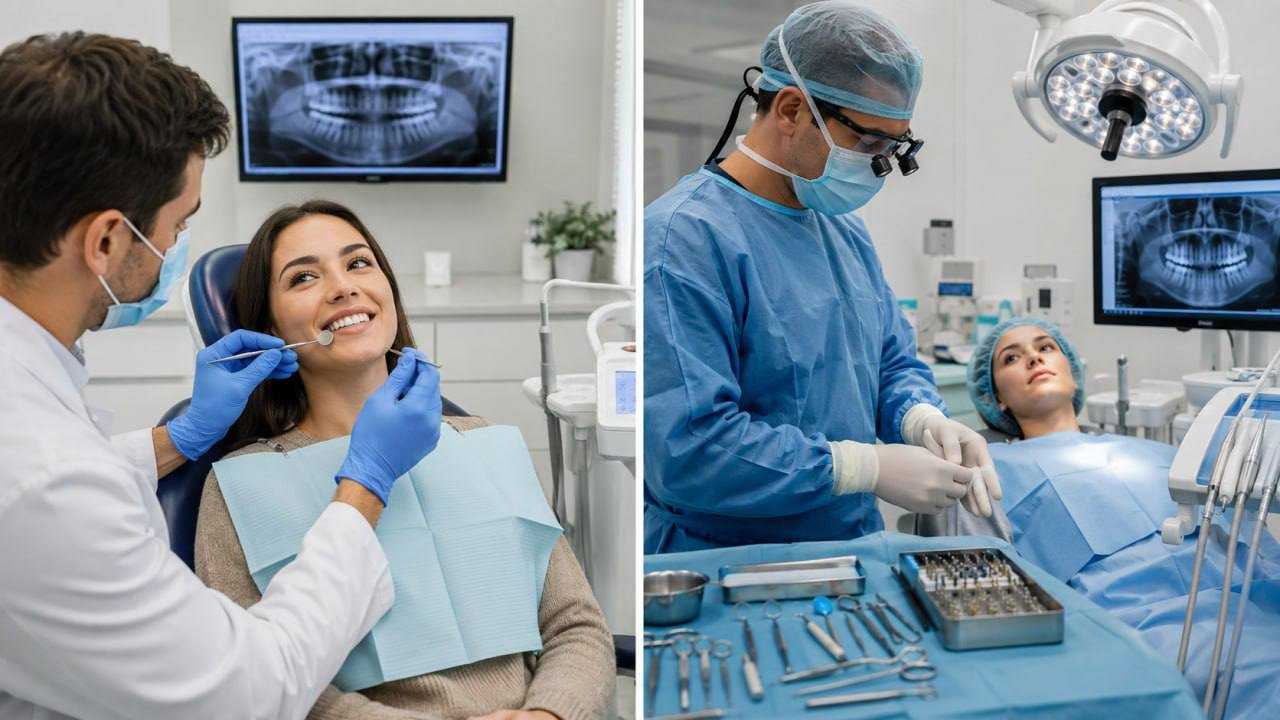
The biggest reason for the cost difference is the position of the wisdom tooth and how difficult it is to remove safely. The answer lies entirely in how the tooth sits within the jawbone, which directly dictates the necessary clinical approach.
A simple removal occurs when the molar fully breaks through the gum line and sits visibly in the mouth. Dentists use basic instruments to loosen the tooth and gently lift it out. This straightforward approach requires only local numbing, takes less than thirty minutes, and involves minimal downtime. People undergoing this basic procedure frequently return to their regular routines by the following afternoon.
Conversely, a surgical approach becomes necessary when the tooth remains trapped underneath the gums or bone. To access the molar, the practitioner makes a small incision in the gum tissue and occasionally removes a tiny amount of obstructing bone. Because this method takes longer and involves deeper tissues, individuals generally opt for stronger sedation. Healing from this advanced procedure takes up to a week, requiring strict adherence to dietary restrictions and rest protocols.
Does Dental Insurance Cover Third Molar Surgery?

Figuring out the financial side of healthcare in Ontario often confuses recent arrivals. Understanding how provincial and private plans handle oral surgery prevents unexpected bills from arriving weeks after the procedure. It is essential to recognize that standard provincial healthcare (OHIP) excludes dental procedures performed outside a hospital setting. Therefore, relying on standard medical coverage for a toothache leaves individuals fully responsible for the final invoice.
Navigating Private Health Plans
Many downtown workers rely on employer-sponsored benefits to manage dental expenses. Most policies categorize routine tooth pulling as "Basic" care, which regularly reimburses between 80% and 100% of the total expense.
However, complicated surgical removals often fall under "Major" services. Major classifications frequently cover only 50% of the procedure. Checking annual maximum limits remains critical. Extensive surgery involving deep sedation easily exhausts a standard $1,500 yearly cap. Submitting a pre-authorization request before scheduling the appointment gives patients a precise calculation of their out-of-pocket responsibilities.
The Canadian Dental Care Plan (CDCP)
When calculating the overall wisdom tooth removal cost Toronto patients face without private workplace benefits, looking into the federal government's Canadian Dental Care Plan becomes a crucial step. This program helps lower-income earners access essential care, though keep in mind that eligibility criteria and coverage details may change over time. Current support levels are based on your family's adjusted net income:
- Under $70,000: The program covers 100% of eligible ODA rates, leaving no co-payment.
- $70,000 to $79,999: The plan covers 60%, requiring a 40% patient co-payment.
- $80,000 to $89,999: The program covers 40%, requiring a 60% patient co-payment.
Consider a young professional newly hired in Toronto, navigating the CDCP while waiting for workplace benefits to begin. Because their previous year's income fell into the lowest bracket, their severe horizontal impaction surgery was completely covered at the standard rate. This allowed them to focus entirely on healing rather than worrying about mounting medical debt.
Additional Expenses Beyond the Surgery Itself
A treatment estimate usually involves more than just the physical extraction of the teeth. A comprehensive surgical plan includes necessary diagnostic and post-operative steps. Understanding these extra elements ensures accurate budgeting from the start.
- Consultation and Examination: Specialists charge an initial evaluation rate to examine the jaw, discuss medical history, and map out a safe surgical approach.
- Radiography: Panoramic X-rays or detailed 3D CBCT scans are billed separately but remain non-negotiable for avoiding nerve damage.
- Prescription Medications: Pharmacies charge independently for post-surgery antibiotics and specialized pain management prescriptions.
- Follow-Up Appointments: Most reputable clinics include a post-operative checkup in their main surgical package, but treating rare complications like dry socket might incur separate charges.
Is Removing All Four Molars Simultaneously Recommended?
Faced with impending surgery, individuals often wonder whether completing the entire process at once makes the most sense. Taking out every third molar during a single appointment remains the most popular approach for younger adults, though it requires careful consideration.
The primary advantage of a single session involves combining the recovery periods. Enduring one week of swelling and a soft-food diet is generally preferable to repeating the ordeal four separate times over several years. Furthermore, scheduling a single appointment requires paying for intravenous sedation only once, which drastically lowers the total financial investment.
However, extracting every molar simultaneously demands a longer immediate healing timeline. Patients managing all four sites at once face difficulties chewing and require more substantial rest. For older adults, or individuals with extremely complex lower bone structures, practitioners sometimes recommend dividing the procedures into two separate visits. Splitting the treatment ensures safer healing and minimizes physical trauma to the jawbone.
What to Expect on Surgery Day
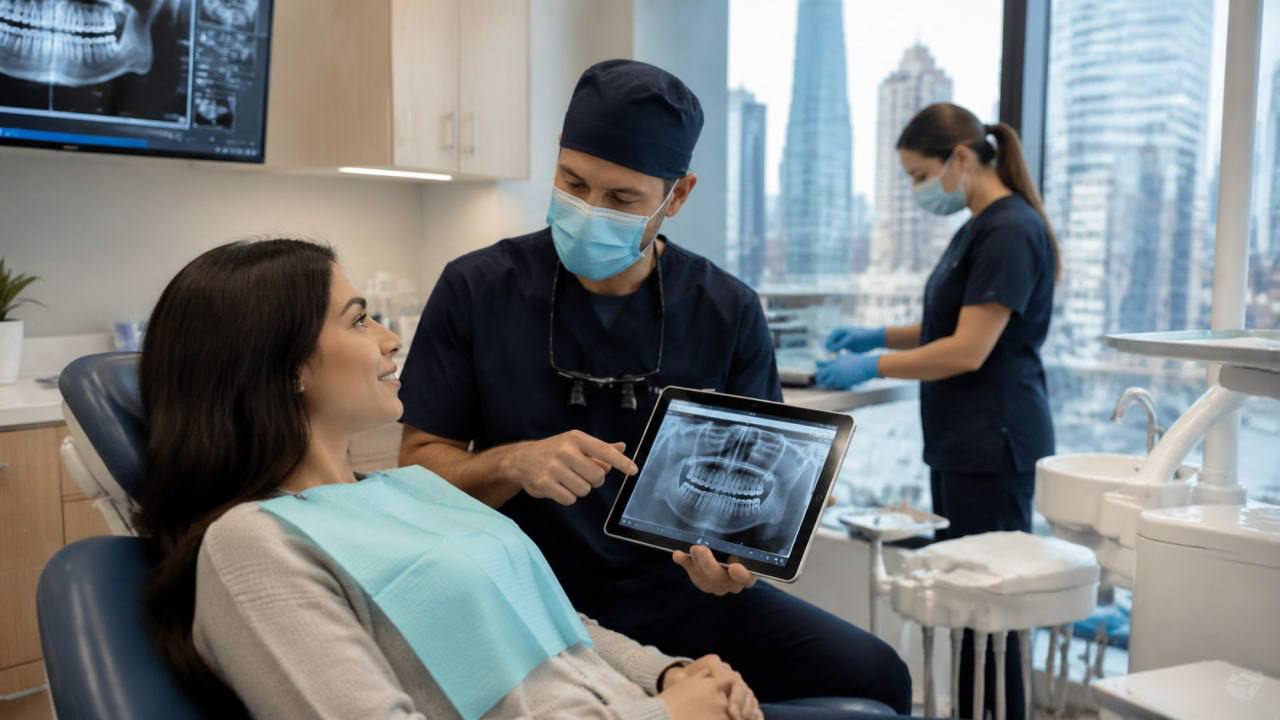
Heading into a dental clinic for a major appointment often brings up a few nerves. Knowing exactly how the session unfolds makes the entire experience much easier to handle. The clinical team begins by reviewing the patient's medical history and confirming the chosen sedation method. Once the mouth is completely numb and the patient feels relaxed, the practitioner carefully rocks the molar back and forth to ease it out of the socket.
If the tooth sits sideways, the dentist might divide it into smaller pieces. This careful technique protects the surrounding jawbone and minimizes trauma. Finally, dissolving stitches close the gum tissue. The clinic staff then monitors the initial recovery for a short period before clearing the patient to head safely home.
Your Post-Surgery Healing Timeline

A smooth recovery relies heavily on resting the jaw. Every mouth heals differently, but this general timeline shows what to expect after a typical visit:
- Day 1: Expect minor bleeding. Biting down on soft gauze helps form a crucial blood clot over the extraction site. Avoid using straws entirely, as the suction can dislodge the clot and cause a painful condition known as dry socket.
- Days 2 to 3: Facial swelling usually peaks around this time. Applying ice packs to the cheeks and sticking to cool, soft foods like yogurt or smooth soups keeps discomfort manageable.
- One Week: Most of the swelling disappears by this point. The dissolving stitches begin to fall out on their own, and the jaw feels much less stiff.
- Two Weeks: Normal chewing generally feels comfortable again, though it helps to avoid extremely crunchy snacks like chips or nuts.
- One Month: The gum tissue fully closes, leaving a healthy, smooth surface behind.
Smart Ways to Manage Your Dental Bills
Budgeting for healthcare in downtown Toronto requires a bit of strategy. For individuals with workplace benefits that reset in January, splitting the extractions across two calendar years is a highly effective approach. Scheduling two teeth for December and the remaining two in the new year maximizes the annual coverage limit across two separate benefit periods.
Additionally, keeping up with regular checkups catches alignment issues early, long before they turn into complex emergencies. Keeping all clinic receipts is also a smart habit. Out-of-pocket medical payments often qualify as tax deductions when filing Canadian income taxes in the spring.
When Is the Right Time to Address Third Molars?
Not everyone needs their back molars pulled. Some people have plenty of room in their jaws for the teeth to erupt perfectly straight. However, ignoring clear warning signs leads to bigger oral health issues over time.
Dentists strongly recommend addressing these molars if they cause persistent jaw ache, repeated gum infections, or push against neighboring teeth. Trapped molars sometimes create fluid-filled cysts that silently damage the jawbone. Young adults in their late teens or early twenties generally experience the easiest recoveries because their dental roots are still developing and the surrounding bone remains relatively soft.
How Trapped Molars Risk the Health of Adjacent Teeth
One major reason general practitioners closely monitor third molars during a dental examination is to protect your second molars. When a wisdom tooth struggles to break through, it frequently angles forward, pushing directly into the back of the neighboring tooth. This creates a tight, hidden pocket between the two teeth that is nearly impossible to clean with regular brushing or flossing.
Over time, trapped food particles and bacteria in this pocket cause silent decay on both teeth at once. By the time you feel a persistent ache, the decay may have reached the root nerve of the healthy second molar, turning a predictable extraction into a complex dual-tooth issue. Furthermore, chronic inflammation in these partially erupted areas can cause pericoronitis, a painful gum infection that makes it difficult to open your mouth or swallow comfortably. Addressing these tight spaces early prevents long-term structural damage to the rest of your smile.
Key Takeaways Before Your Consultation
Planning ahead removes most of the stress from wisdom tooth surgery. A routine extraction in Toronto generally costs between $200 and $400, while surgical removals for impacted teeth range from $400 to $750 or more per tooth. Your final invoice depends on tooth position, imaging needs, and sedation choices, so an accurate estimate always starts with a proper consultation. Private plans and the CDCP can significantly reduce your out-of-pocket costs, especially when you request a pre-authorization first. Acting early, before a trapped molar damages neighboring teeth, keeps both the procedure and the bill as simple as possible.
Why Downtown Residents Trust Market Dental Centre
Finding a reliable healthcare provider near Lower Jarvis Street shouldn't feel like a gamble. Since 1981, Market Dental Centre has proudly served the St. Lawrence Market community with a strict focus on honest, patient-first care. The clinic combines modern 3D diagnostic technology with flexible sedation options to keep every visit incredibly safe. By handling direct billing with most major insurance providers and actively assisting eligible patients with CDCP claims, the administrative team ensures the financial aspect of your visit remains completely straightforward.
The clinic provides detailed assessments, honest treatment recommendations, and transparent cost breakdowns based on your individual dental needs.
- Call for same-day relief: Phone: (416) 363-4115
- Visit our clinic: 149 Lower Jarvis St, Toronto, ON
Serving Downtown Toronto, Old Town Toronto, and the St. Lawrence Market area. For directions and location details, see our map listing.
FAQ:
How much does wisdom tooth removal typically run in Toronto?
When exploring the average wisdom tooth removal cost Toronto dental clinics offer, a routine extraction generally ranges from $200 to $400 per tooth. Complex cases involving bone impactions typically run between $400 and $750 or more.
Are surgical extractions always more expensive?
Yes. Because these appointments require extra clinical time, specialized instruments, and sometimes advanced sedation, the final invoice is naturally higher than a routine pull.
Will my health benefits cover this type of oral surgery?
Most private plans cover a percentage of the bill. Routine pulls often fall under basic care (up to 100% coverage), while complex removals usually fall under major services (around 50% coverage).
Can dentists take out all four third molars at once?
Yes. Addressing all four in a single visit is highly common. It condenses the healing process into one week and saves money on repeated sedation charges.
Does the base rate include sedation options?
Local numbing is always included. However, nitrous oxide (laughing gas) or intravenous (IV) sedation carries additional charges depending on the duration of the visit.
What extra charges might appear on my final bill?
Patients should budget for an initial consultation, diagnostic X-rays or CBCT scans, and any prescription medications required for the healing phase.
How long does the healing process take?
Most individuals resume normal daily activities within three to five days, though comfortable chewing usually returns closer to the two-week mark. Full closure of the gum tissue takes about one month.
Can I return to work the next day?
Following a simple, fully erupted extraction, many return to desk work the next morning. Complex surgeries require at least two or three days of rest.
What foods are safe to eat after surgery?
Stick to lukewarm, soft options for the first few days. Apple sauce, mashed potatoes, smooth soups, and yogurt are excellent choices.
Is the removal painful?
The actual appointment is completely numb and comfortable. Patients experience some soreness and swelling afterward, which is easily managed with prescribed or over-the-counter medication.
Do I always need an oral surgeon for this?
Not necessarily. Many general practitioners possess the skills to handle routine and moderately complex cases safely. Highly complicated jawbone impactions may require a specialist referral.
At what age should I get my third molars checked?
Dentists typically recommend evaluating these molars around age 16 to 19. Catching alignment problems before the roots fully anchor into the jawbone makes the extraction process much easier.
What should I do if I experience a sudden spike in pain a few days after my visit?
A gradual decrease in discomfort is expected. If you experience sudden, throbbing pain around day three or four that over-the-counter pills cannot soothe, contact your clinic immediately. This symptom often points to a dry socket or a localized infection, both of which your dentist can quickly relieve with a soothing medical dressing.
Are there specific things I should avoid buying before my appointment?
Avoid stocking up on acidic juices, spicy condiments, or foods containing tiny seeds like strawberries and raspberries. These small seeds can easily get trapped inside the healing sockets, irritating the tissue and increasing your risk of post-operative infection. Stick to smooth, basic options for your first week.
