









There's a particular kind of self-consciousness that comes with a smile you're not fully comfortable with. You know the one. You laugh with your hand over your mouth. You look slightly off-centre in photos. You've thought about fixing it for years, maybe even booked a consultation once, and then quietly shelved the idea when someone mentioned metal brackets and wires.
That hesitation makes complete sense. Nobody wants to spend a year looking like a teenager in middle school, especially not in a professional setting or a city like Toronto where first impressions are currency.
Invisalign in Toronto has genuinely changed that conversation. Clear aligner technology has matured to the point where most of the old objections, visibility, discomfort, diet restrictions, inconvenience, no longer apply the way they once did. If you're exploring your options and want the unfiltered version of how this works, what it costs, and whether it's right for you, you're in the right place.
What Is Invisalign and How Do Clear Aligners Work?
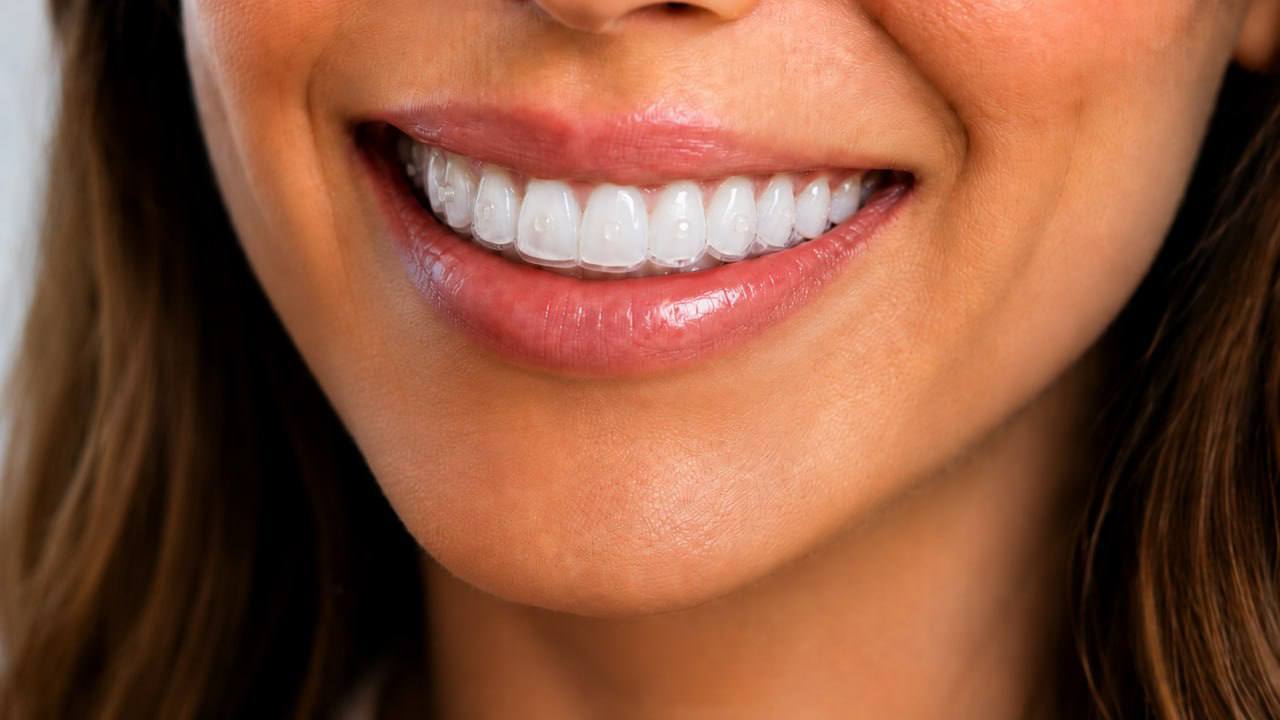
Invisalign is an orthodontic treatment system that uses a series of custom-made, clear plastic aligners to gradually shift teeth into a corrected position. Each tray is worn for about one to two weeks before you switch to the next one in the series, with each new tray applying gentle, targeted pressure to move specific teeth incrementally.
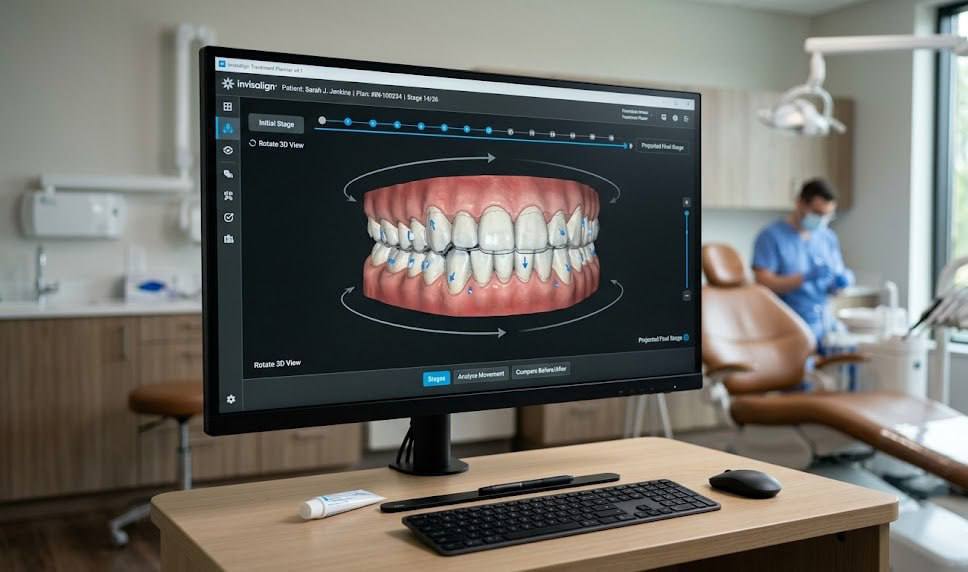
The technology behind it is more sophisticated than the end product looks. At the start of treatment, a 3D digital scan of your teeth creates a precise model of your current bite. From that scan, software maps out the exact movement each tooth needs to make to reach its final position. Every aligner in your series is built to correspond to a specific step in that journey.
What makes clear aligners work isn't brute force, it's precision and consistency. Each tray moves teeth by a fraction of a millimetre. Small, controlled movements over time add up to significant correction. The system works because it's planned from start to finish before you ever wear the first tray.
A few defining features worth knowing:
- Virtually invisible: the material is clear medical-grade plastic; most people won't notice unless they're looking closely
- Removable: you take them out to eat, drink anything other than water, and brush your teeth
- Custom to your anatomy: no two sets of trays are the same, they're built from your specific 3D scan
- Digitally planned: you can see a simulation of your projected result before treatment even begins
Invisalign vs. Traditional Braces: Which Is Right for You?
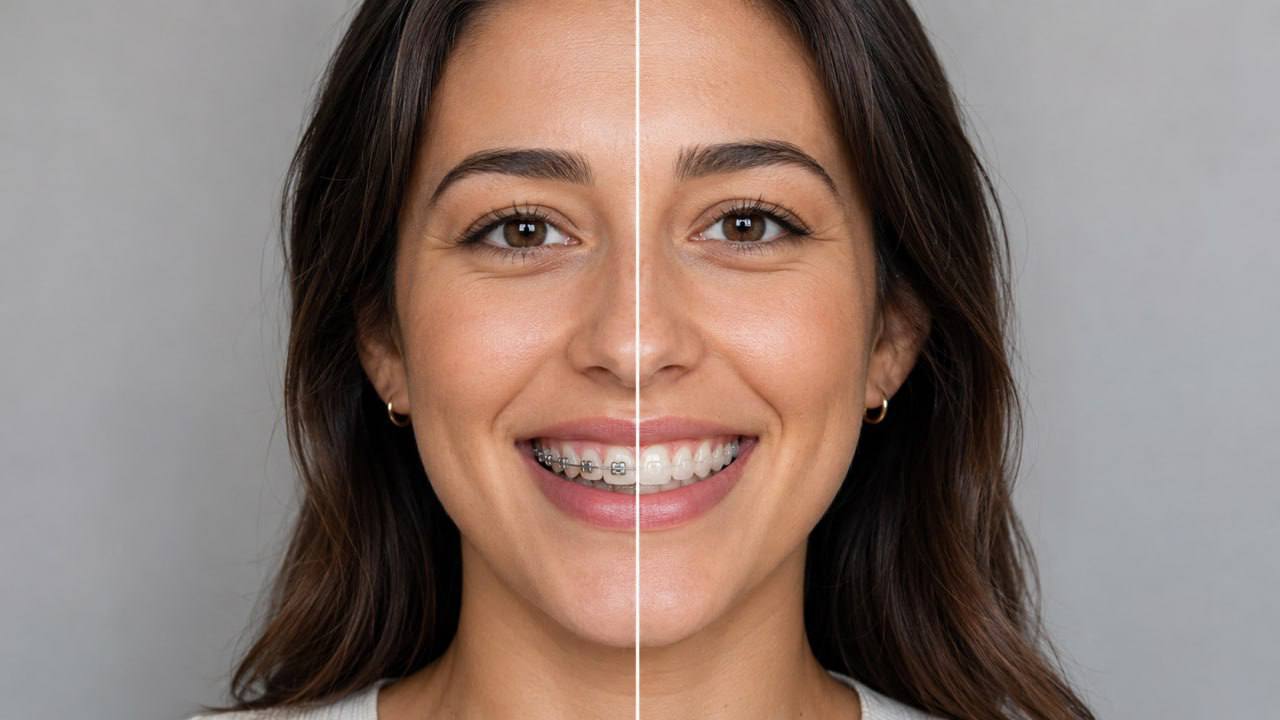
This is the comparison most people are actually trying to make when they search for Invisalign. It's worth being direct about it rather than dancing around the obvious question.
The honest take: traditional braces still have a place, particularly for more complex bite corrections and for younger patients who may not have the discipline to wear removable aligners consistently. For adults with mild to moderate alignment issues, Invisalign is genuinely the better experience in almost every practical category.
The one non-negotiable with Invisalign is compliance. The trays need to be worn 20 to 22 hours per day to work on schedule. If someone knows they'll repeatedly leave them out for extended periods, braces may actually produce better results because they're working around the clock regardless. Cosmetic Dentistry
How Much Does Invisalign Cost in Downtown Toronto?
Cost is usually the first real hesitation point, so let's address it plainly.
Invisalign in Toronto doesn't have a single fixed price. The total cost depends on the complexity of the case, the number of aligners required to complete treatment, and whether any refinements (additional aligner sets at the end to fine-tune results) are needed.
A few factors that shift the number:
- Complexity of the alignment issues: minor spacing corrections require fewer trays and less clinical oversight than significant bite correction
- Number of arches being treated: treating both upper and lower teeth costs more than treating one arch only
- Length of the treatment plan: more aligners mean more cost
- Refinements: some cases need a second round of trays toward the end to dial in the final result
- Clinic experience and technology: practices with digital scanning, experienced providers, and comprehensive follow-up care reflect that in their pricing
For downtown Toronto and the St. Lawrence area specifically, clinic overhead is higher than suburban practices, which tends to be reflected in fees. That said, access to experienced providers, better technology, and more convenient scheduling often justifies the difference for patients who work in the core and need flexibility.
What's worth keeping in mind: Invisalign is typically priced comparably to traditional braces for equivalent cases. The assumption that clear aligners automatically cost dramatically more isn't accurate for the majority of straightforward cases. A proper consultation, which includes a digital scan and a projected treatment plan, is the only way to get a realistic cost estimate for your specific situation.
Is Invisalign Covered by Insurance in Canada?
Most dental insurance plans that include orthodontic coverage don't distinguish between Invisalign and traditional braces. If your plan covers orthodontic treatment, that coverage typically applies to clear aligners as well.
A few things to check on your specific policy:
- Orthodontic coverage: some plans include it; others treat it as an optional add-on that may not have been selected
- Lifetime maximum: many orthodontic benefits come with a lifetime cap, sometimes around $1,500 to $3,000, which covers a portion of the total cost
- Age restrictions: some employer plans only cover orthodontic treatment for dependants under a certain age, not adults
- Waiting periods: some plans require a waiting period before orthodontic benefits activate
Health Spending Accounts (HSA) and Flexible Spending Accounts (FSA) are often usable for Invisalign if your employer provides one. These accounts let you use pre-tax dollars for dental treatment, which effectively reduces the out-of-pocket cost without requiring traditional insurance coverage.
A pre-authorization submitted to your insurer before treatment begins gives you a written estimate of what's covered and what you'll owe. Clinics with an experienced administrative team can handle this process for you.
Payment plans and financing options are also available at many Toronto practices, including Market Dental Centre, which makes the investment more manageable when insurance doesn't cover the full gap.
The Step-by-Step Invisalign Process at Market Dental Centre
Understanding the full timeline before you commit helps set realistic expectations. Here's how treatment typically unfolds from first call to final retainer.
Step 1: Your Initial Consultation in the St. Lawrence Neighbourhood
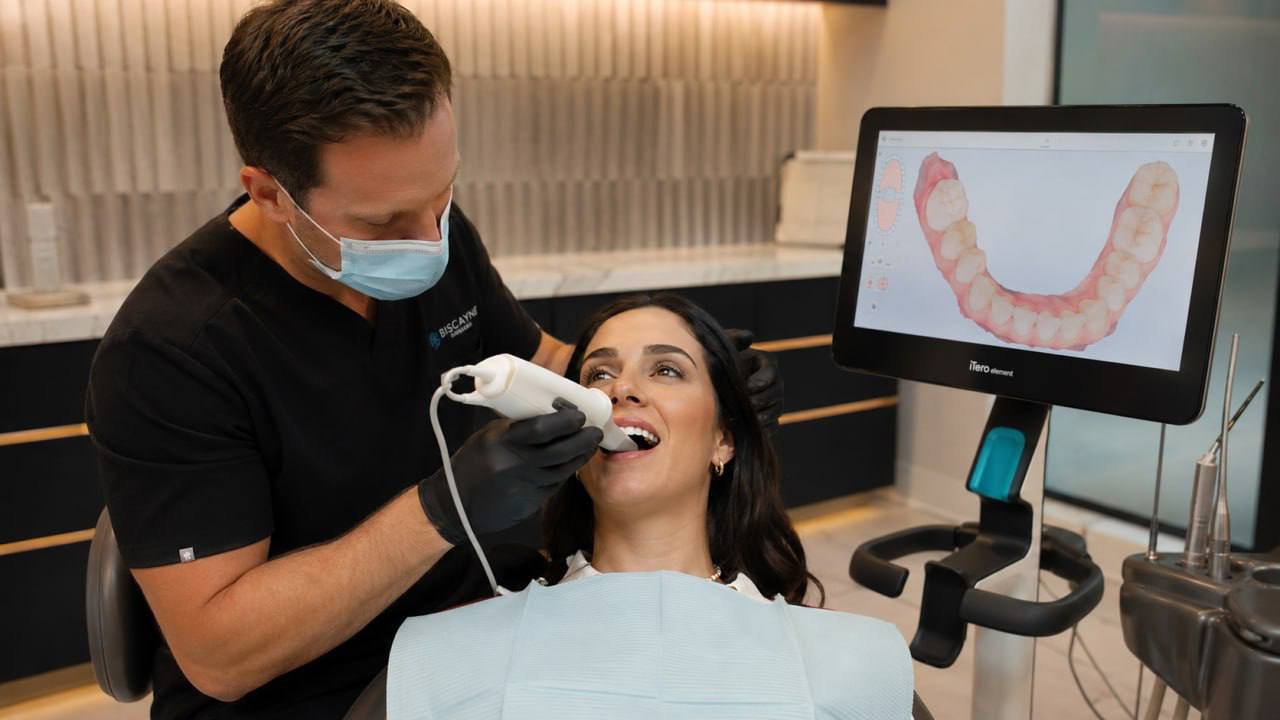
The first appointment is as much conversation as examination. Your dentist will look at your current alignment, your bite, and the health of your gums and teeth, and you'll talk through what you're hoping to change. Not every case is a strong candidate for clear aligners, so this assessment matters.
You'll also have the chance to see a digital simulation of your projected treatment, a before-and-after preview generated from your 3D scan data. Seeing the projected result before committing is one of the more compelling parts of the Invisalign experience and something traditional braces can't offer.
Step 2: 3D Scanning and Custom Treatment Plan
Instead of the messy impression molds that used to be standard, modern Invisalign treatment starts with a digital intraoral scan. A small wand passes over the teeth and captures thousands of data points to create a precise 3D model of your bite.
From that model, your customized aligner series is fabricated. The number of trays depends on how much movement your teeth need. Simple cases might involve 15 to 20 trays; more involved corrections can require 40 or more.
Step 3: Receiving Your First Set of Aligners
A few weeks after your scan, your full set of aligners arrives at the clinic. Your dentist places small tooth-coloured attachments (sometimes called buttons) on certain teeth, which help the aligners grip and apply force in precise directions. These are barely noticeable but make a real difference in how accurately the trays can move specific teeth.
You'll leave with your first few sets of trays and clear instructions on wear time and switching schedule.
Step 4: Regular Checkups and Changing Trays
Most patients switch to a new tray every one to two weeks and check in with their dentist every six to ten weeks. These appointments are shorter than braces adjustments, usually fifteen to thirty minutes, and mostly involve confirming the teeth are tracking as planned.
If teeth aren't moving quite as predicted, small adjustments to the plan are made. Digital treatment planning makes mid-course corrections more manageable than they would be with fixed appliances.
Step 5: The Retainer Phase (Protecting Your New Smile)
Finishing your last aligner tray doesn't mean the teeth will stay in position on their own. Teeth have a memory. Without a retainer, they'll drift back toward their original position over time, sometimes surprisingly quickly.
At the end of active treatment, you'll receive a custom retainer, often clear and similar to an aligner in appearance. Most patients wear it every night indefinitely. This phase costs very little relative to the investment in treatment and is the single most important thing you can do to protect your results long-term.
What Dental Issues Can Invisalign Actually Fix?
Clear aligners have come a long way in terms of what they can correct. Early versions of the technology were limited to minor spacing issues. Current Invisalign systems handle a meaningfully broader range of cases.
Crowded teeth: when there isn't enough space in the arch for teeth to sit in their correct positions, they overlap and rotate. Clear aligners gradually create space and reposition them.
Gaps between teeth: spaces caused by small teeth, jaw size discrepancy, or gum issues can be closed through controlled aligner pressure.
Overbite: when the upper front teeth extend too far over the lower front teeth. Invisalign can reduce overbite by repositioning both arches.
Underbite: when lower teeth sit in front of upper teeth. Moderate underbites respond to aligner treatment; severe ones may require surgical intervention.
Crossbite: when upper and lower teeth don't align correctly when the mouth closes, with some upper teeth sitting inside the lower teeth. Aligners can address mild to moderate crossbites.
Open bite: when upper and lower front teeth don't meet when biting down. Often associated with habits like tongue thrusting; Invisalign can help in appropriate cases.
What Invisalign isn't well-suited for: severely rotated teeth, large vertical discrepancies, and complex skeletal bite problems that require jaw surgery. An honest provider will tell you if your case falls into that category and what the alternatives are.
Daily Life with Invisalign: Tips That Actually Help

The clinical side of treatment is managed by your dentist. The daily compliance side is entirely on you. A few practical points that make a real difference:
The 22-hour rule is non-negotiable. Two hours out per day is the maximum, not a guideline. That time is meant for meals and oral hygiene. Lingering over coffee with your trays out for ninety minutes twice a day adds up to a problem.
Take the trays out before eating anything. Not just for diet freedom, but because biting into food with aligners can crack or warp them. Beverages other than still water should also be consumed without the trays in. Hot drinks in particular can distort the plastic.
Rinse aligners when you remove them. Saliva dries on the trays and creates a surface that attracts bacteria. A quick rinse every time you remove them keeps them cleaner between proper washes.
Clean your aligners with a soft toothbrush and mild soap. Toothpaste is often too abrasive and can create micro-scratches that make clear trays look cloudy over time. The Invisalign cleaning crystals are also effective if you prefer a dedicated product.
Brush before reinserting. Food particles trapped between teeth and a tray create ideal conditions for cavities and bad breath. Brushing and flossing after every meal before putting trays back in is the single best habit to build from day one.
Travel with your previous tray. If you lose or damage your current aligner, wearing the previous set keeps your teeth from shifting while a replacement is ordered.
Invisalign in Toronto: What to Look for in a Provider
Not all Invisalign providers have the same level of experience. Align Technology, the company behind Invisalign, tracks provider volume and recognizes clinics at different tiers based on case numbers. Higher-volume providers typically have more hands-on experience managing complex movements and mid-treatment adjustments.
For patients in downtown Toronto, Old Town, and the St. Lawrence neighbourhood, access to an experienced local provider also means convenient scheduling for checkup appointments throughout a six-to-eighteen-month treatment. That convenience matters more than it might seem when you're fitting dental visits around a full professional schedule.
Market Dental Centre offers Invisalign treatment with in-house digital scanning, detailed treatment simulations, and ongoing support from initial consultation through the retainer phase. The goal is a transparent process from the first appointment forward.

Final Thoughts
The decision to straighten your teeth as an adult often comes after years of talking yourself out of it. Too visible. Too inconvenient. Not the right time. Those objections made more sense ten years ago than they do now.
Invisalign in Toronto has become what it is because it removes most of the practical barriers that kept adults from following through. The treatment is discreet, the process is cleaner than braces, the diet doesn't change, and for a lot of patients, the whole experience is simply easier than expected.
What doesn't change is the value of working with a provider who takes the time to plan carefully, uses current technology, and is straightforward with you about what your specific case can and can't achieve.
Here's a quick recap before you book:
- Invisalign uses clear, removable trays planned digitally from a 3D scan of your teeth
- Treatment works for crowding, gaps, overbites, underbites, crossbites, and open bites
- Wearing the aligners 20 to 22 hours daily is the difference between treatment working on schedule and not working at all
- Cost varies by case complexity; insurance orthodontic coverage typically applies to clear aligners the same as braces
- The retainer phase at the end is permanent, in the best sense: it protects everything you achieved
- An experienced local provider matters for both quality and scheduling convenience
If you're based in Toronto, downtown Toronto, Old Town, or the St. Lawrence neighbourhood and ready to see what your smile could actually look like, Market Dental Centre offers Invisalign consultations that include a digital scan and a 3D preview of your projected results before you commit to anything.
Invisalign services near you in Downtown Toronto, Old Town Toronto and St. Lawrence Market Area
Don’t wait until small dental issues become expensive problems!
Book your Invisalign consultation today and Get a clear, personalized Invisalign treatment plan and cost estimate in Toronto.
The clinic provides detailed Invisalign assessments, digital treatment planning, and transparent cost breakdowns based on each patient’s alignment needs.
📍 149 Lower Jarvis St, Toronto, ON
Serving: Downtown Toronto, Old Town Toronto, St. Lawrence Market Area
For directions and location details:
View Market Dental Centre on Google Maps
FAQ:
How much does Invisalign cost in Toronto?
Cost depends on the complexity of your case, the number of aligners needed, and whether refinements are required. A consultation with a digital scan gives you a precise estimate for your specific situation.
Is Invisalign painful?
Discomfort rather than pain is the more accurate description. When you switch to a new tray, there's typically some pressure for the first day or two, similar to the soreness after a braces adjustment. It's a sign the aligners are working. Over-the-counter pain relief manages it easily for most patients.
Can I eat with Invisalign in?
No. Aligners should be removed before eating anything. Biting into food with them can damage the trays, and food particles trapped under plastic are a recipe for cavities.
How long does Invisalign treatment take?
Most cases complete in six to eighteen months. Simpler spacing corrections can finish faster; more complex bite issues may take longer. Your dentist can give you a projected timeline based on your 3D treatment plan.
Do I need to wear a retainer after Invisalign?
Yes, and this is important. Without a retainer, teeth shift back toward their original positions. Most patients wear a clear retainer nightly, long-term. Skipping the retainer phase is the most common reason people see their results reverse over time.
Am I too old for Invisalign?
No. There's no upper age limit for orthodontic treatment with clear aligners. Adults of any age with healthy gums and teeth are candidates. Many Invisalign patients are in their 30s, 40s, and beyond.
.webp)


