








How Much Does Tooth Extraction Cost in Toronto?
Learn the average tooth extraction cost in Toronto, including simple and surgical extraction fees, insurance coverage, sedation costs, recovery, and payment options.

Tooth pain rarely happens at a convenient time, and figuring out the average Tooth Extraction Cost Toronto clinics charge is usually your first question when an ache starts. Navigating an unfamiliar dental system as an international student or recent immigrant often creates financial anxiety while you manage a tight monthly budget. A throbbing jaw leaves little time to decode complex healthcare options, and finding clear answers shouldn't add to your stress. At Market Dental Centre, our downtown team has spent over forty years helping newcomers explore their oral care options safely and transparently. Here is exactly what to expect, kept simple.
Average Tooth Extraction Cost in Toronto
When you look at dental estimates across Ontario, the numbers are not random figures. Most trusted clinics base their billing structures heavily on the Ontario Dental Association (ODA) Suggested Fee Guide. This standardized framework helps ensure that clinical rates remain fair, consistent, and predictable across the province, giving patients peace of mind when budgeting for their care.
While the exact final total always requires a comprehensive dental examination and diagnostic imaging, a reliable baseline for the Tooth Extraction Cost Toronto patients face helps you prepare financially. Understanding these figures is especially useful for newcomers establishing their healthcare routines in a new city. Here are the estimated ranges you can typically expect to pay in downtown Toronto:
- Simple extractions: A routine pull of a fully visible tooth typically ranges from $150 to $300 per tooth.
- Surgical extractions: When a tooth is partially hidden or broken at the gumline, surgical removal usually ranges from $300 to $600 per tooth.
- Wisdom tooth extractions: Depending heavily on the angulation and position, third molars often cost between $400 and $750 per tooth.
- Impacted teeth: Severe bony impactions require significant surgical expertise and specialized clinical time, frequently ranging from $450 to $800 or more per tooth.
Factors That Affect Tooth Extraction Cost
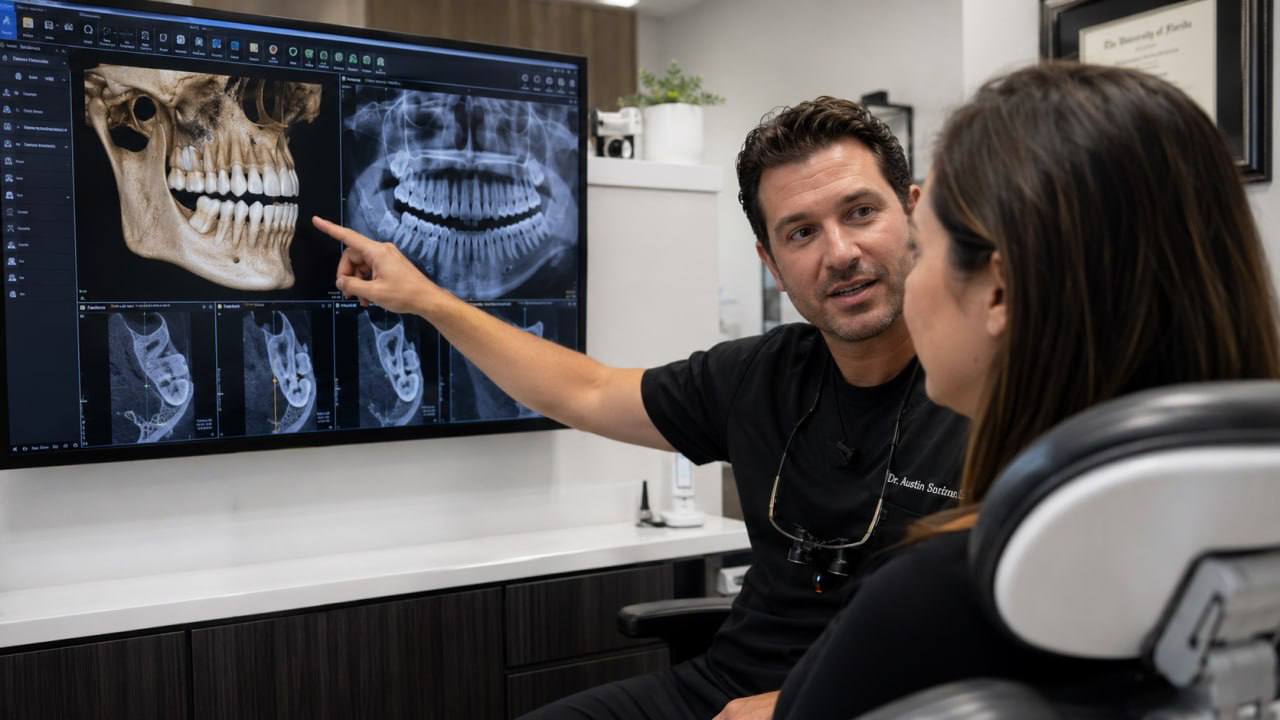
Your oral anatomy is unique, meaning no two dental procedures require the exact same clinical approach. Several details shape the final Tooth Extraction Cost Toronto clinics quote you. During your initial wisdom tooth consultation or general assessment, dentists carefully evaluate a variety of clinical details to calculate an accurate treatment estimate.
Type of Tooth
Removing a small, single-rooted front incisor is generally more straightforward than pulling a large, multi-rooted back molar. The size of the tooth, its location in the mouth, and the structural complexity of its roots directly influence the amount of clinical time required to safely complete the procedure.
Simple vs. Surgical Extraction
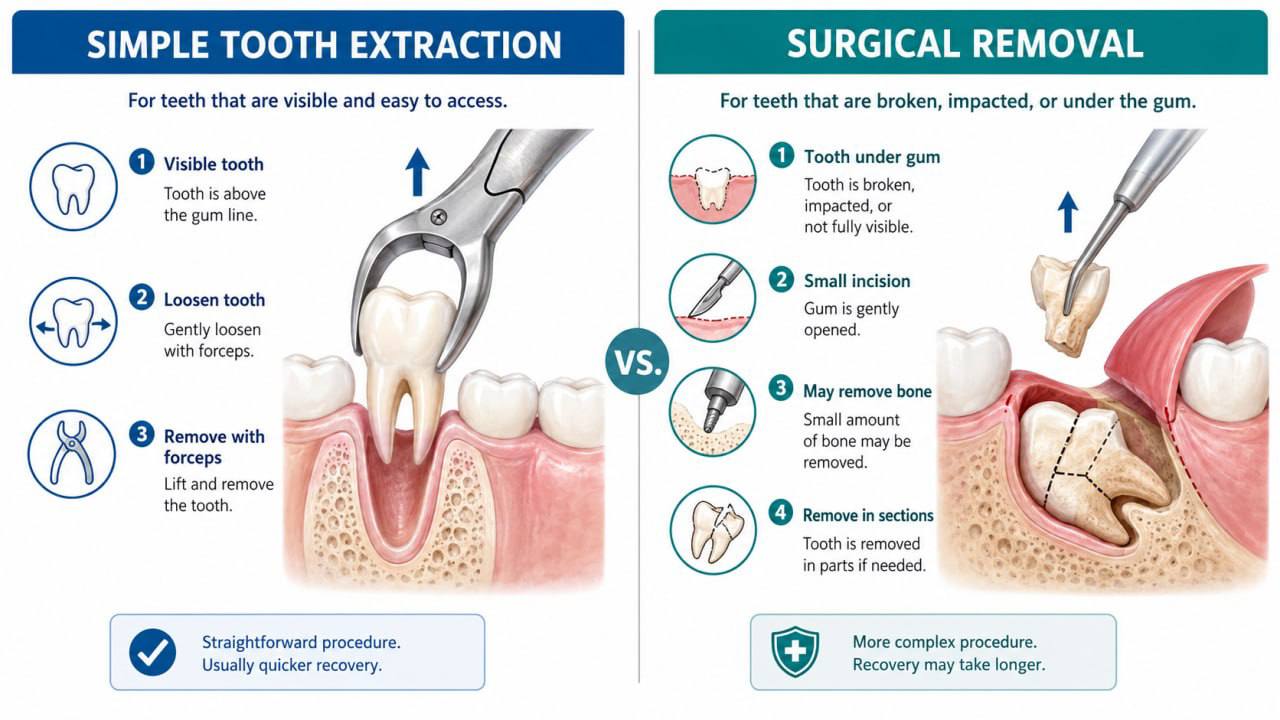
If the affected tooth is fully erupted and clearly visible above the gumline, a general dentist can often perform a quick, simple pull using basic instruments. However, if the tooth remains trapped under the gums or hidden beneath the jawbone, accessing it requires a more time-intensive and delicate surgical approach.
Tooth Position
Teeth that grow straight upward are naturally easier to remove without complications. Conversely, molars that tilt sideways, grow in backward, or push against neighboring healthy teeth demand careful clinical navigation to prevent damage to the surrounding jaw structure.
Impacted Tooth
An impacted tooth, especially a third molar stuck deep inside the dense lower jawbone, requires advanced surgical techniques. To access the trapped crown safely, the clinical team needs to make precise tissue incisions and occasionally remove small amounts of obstructing bone, which increases the final treatment fee.
Severity of Infection
If you are dealing with a severe localized abscess or advanced gum disease, your dentist must take extra precautions. They may need to carefully clean and flush out the infected tissue surrounding the empty socket after the tooth is removed. This extra care ensures healthy healing and effective infection prevention, but it adds to the overall procedural time.
Emergency Treatment
Sudden dental trauma often requires an urgent dental emergency appointment. Same-day emergency visits occasionally involve standardized assessment fees to accommodate the urgent scheduling and ensure a dentist can evaluate your severe pain immediately.
Type of Sedation
Local anesthesia, which numbs the immediate area, is a standard inclusion in the base extraction code. However, if you experience significant dental anxiety or require a complicated surgery, choosing nitrous oxide (laughing gas) or intravenous (IV) sedation for added comfort will add a few hundred dollars to your bill due to the specialized monitoring equipment required.
Diagnostic Imaging
A basic visual check cannot safely map out a surgical plan. Standard panoramic X-rays or advanced 3D Cone Beam Computed Tomography (CBCT) scans carry separate diagnostic fees. These imaging tools are essential for locating the exact depth of the roots and preventing long-term nerve damage.
Dentist Experience
A general dentist typically charges standard ODA rates for routine procedures. If your case is exceptionally complex and requires a referral to a dedicated oral surgeon, specialist fees are generally higher to reflect their advanced training and specialized surgical environment.
Procedure Complexity
Occasionally, a severely decayed tooth may fracture or break during the initial removal. Extracting the remaining fragile root fragments carefully requires additional surgical effort and specialized tools, raising the complexity and the corresponding fee.
Simple vs. Surgical Tooth Extraction
Understanding the clinical differences between these two main approaches helps you prepare for both the financial cost and your expected recovery timeline.
Additional Costs to Consider
A comprehensive and safe treatment plan involves more than just physically pulling the tooth out of the jaw, so the full Tooth Extraction Cost Toronto patients pay includes a few supporting services. Budgeting for these complementary services early prevents surprises when you reach the front desk to settle your account.
- Consultation and Clinical Examination: Specialists charge an initial evaluation rate to review your full medical history and map out a safe surgical approach.
- Digital X-rays: Standard bitewing X-rays are frequently required to assess the extent of decay on a single tooth.
- Panoramic X-rays: This broad, full-jaw view is essential for evaluating the position of wisdom teeth and locating nearby sensory nerves.
- CBCT Imaging: A detailed 3D scan is often necessary for safely navigating complex or horizontal impactions.
- Sedation: Nitrous oxide or IV sedation are billed separately based on the total duration of your appointment.
- Prescription Medications: Pharmacies charge independently for any antibiotics or pain management prescriptions required during your healing phase.
- Bone Grafting: If you plan to get a permanent dental implant later, adding bone grafting material during the extraction preserves the jaw structure for an additional fee.
- Follow-up Appointments: While routine healing checks are usually included in the surgical package, treating rare complications like a dry socket may incur separate charges.
Does Dental Insurance Cover Tooth Extraction?
Navigating private dental insurance in Canada can feel confusing if you recently moved to the country. Understanding your coverage limits is the best way to reduce financial anxiety before you sit in the dental chair. It is important to remember that the standard Ontario Health Insurance Plan (OHIP) typically does not cover routine clinical dental visits.
Most employer-sponsored health benefit plans categorize a simple extraction as "Basic" coverage. Basic services frequently reimburse anywhere from 80% to 100% of the total clinical cost. However, complicated surgical removals often fall under "Major" services, which generally may only cover 50% of the final invoice.
Always take a moment to check your annual maximums. Removing multiple impacted teeth at once could easily exhaust a standard $1,500 yearly cap. Asking your clinic's administrative team to submit a pre-authorization request before scheduling your surgery ensures you receive an exact estimate. Many modern clinics also offer direct billing, meaning the office submits the claim directly to your provider so you only pay the remaining balance on the day of your visit.
For eligible residents without workplace benefits, the federal Canadian Dental Care Plan (CDCP) provides a strong alternative pathway for affording necessary extractions. Depending on your adjusted family net income, this program can cover between 40% and 100% of eligible ODA fee guide rates.
Emergency Tooth Extraction
Severe dental pain rarely respects a standard Monday-to-Friday schedule. If you wake up in the middle of the night with a swollen face or experience unexpected dental trauma during a weekend sports game, you need immediate professional care.
Situations that require an urgent extraction include a severely cracked tooth that extends deep beneath the gumline, aggressive infections that do not respond to standard antibiotics, or painful dental abscesses. Delaying treatment for a deeply infected tooth is dangerous, as it can allow harmful bacteria to spread to other sensitive areas of the head, neck, and body.
Emergency appointments prioritize your immediate comfort, using targeted numbing techniques to relieve severe pain quickly before safely removing the damaged tooth. If you are currently in severe pain, consider booking an immediate general dentistry evaluation to determine the safest next steps.
What Happens During a Tooth Extraction?
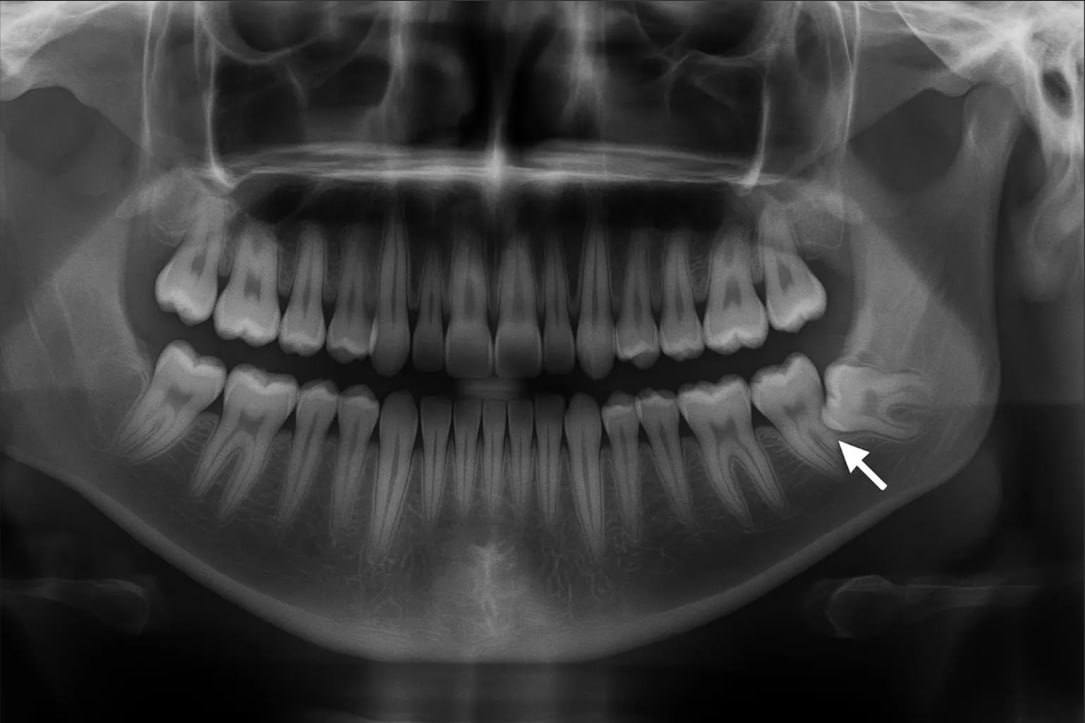
Heading into a dental clinic for a surgical appointment naturally brings up a few nerves. Knowing exactly how the session unfolds makes the whole experience much easier and calmer to handle.
- Consultation and Examination: Your dentist reviews your medical history and discusses the safest removal strategy for your unique anatomy.
- Diagnostic Imaging: X-rays or detailed 3D scans are taken to accurately locate the position of the tooth roots.
- Local Anesthesia or Sedation: The clinical team numbs the entire area. You will feel some pushing pressure, but no sharp pain during the process.
- Tooth Removal: Using specialized instruments, the dentist carefully rocks the tooth back and forth to widen the socket gently and lifts it cleanly out.
- Bleeding Control: You will be asked to bite down firmly on a clean, sterile gauze pad to encourage a healthy blood clot to form.
- Post-operative Instructions: The team provides clear, written home-care guidelines detailing how to care for your mouth at home.
Recovery Timeline

A smooth, predictable recovery relies heavily on resting your jaw and protecting the surgical site. Every mouth heals slightly differently, but here is what you can generally expect throughout your healing:
- Day 1: Expect some minor oozing and bleeding. Keep the provided gauze firmly in place for the first few hours. Avoid using drinking straws entirely, as the suction can dislodge the protective blood clot and cause a painful condition known as dry socket.
- Days 2–3: Facial swelling usually peaks during this window. Apply a cold ice pack wrapped in a towel to your cheek and stick to lukewarm, soft foods like smooth yogurt, applesauce, and mashed potatoes.
- Week 1: Most of the visible swelling disappears. If you received dissolving stitches, they typically begin to fall out on their own.
- Week 2: The open socket starts to visibly close. Normal daily chewing generally feels comfortable again, though you should still avoid crunchy snacks like chips or hard nuts that could irritate the new tissue.
- One Month: The surrounding gum tissue fully heals, leaving a healthy, smooth surface behind.
How to Reduce Tooth Extraction Costs
Budgeting effectively for local healthcare requires a bit of smart strategy. The most effective way to lower your dental bills over time is through preventive dental care. Attending routine checkups allows your dentist to catch minor decay early, often saving the tooth with a standard filling instead of eventually requiring a full, expensive removal.
If an extraction is unavoidable, securing early treatment is key. Removing a compromised tooth before it causes a painful infection prevents the need for expensive emergency care and deep imaging. Make sure to fully use your active dental insurance benefits before they reset at the end of the calendar year, and ask your clinic's front desk about flexible payment options to spread the remaining balance over several months.
When Is Tooth Extraction Necessary?
Modern dentists always prefer to save your natural teeth whenever medically possible. However, safely pulling the tooth becomes the best clinical option in several specific situations:
- Severe tooth decay: When a cavity destroys too much enamel structure for a standard filling or a protective crown to fix.
- Infection: When bacteria reach the center nerve of the tooth and a standard root canal cannot resolve the issue.
- Advanced gum disease: When periodontal disease deteriorates the supporting jawbone, causing the tooth to become loose.
- Dental trauma: When a sports accident or hard fall fractures the tooth vertically down into the sensitive root.
- Impacted teeth: When third molars are trapped under the gums and push against healthy neighboring teeth.
- Orthodontic treatment: When jaw overcrowding prevents braces from properly aligning the smile.
- Non-restorable teeth: When previous dental work fails and the remaining structure cannot support a new restoration.
Should You Replace a Missing Tooth?
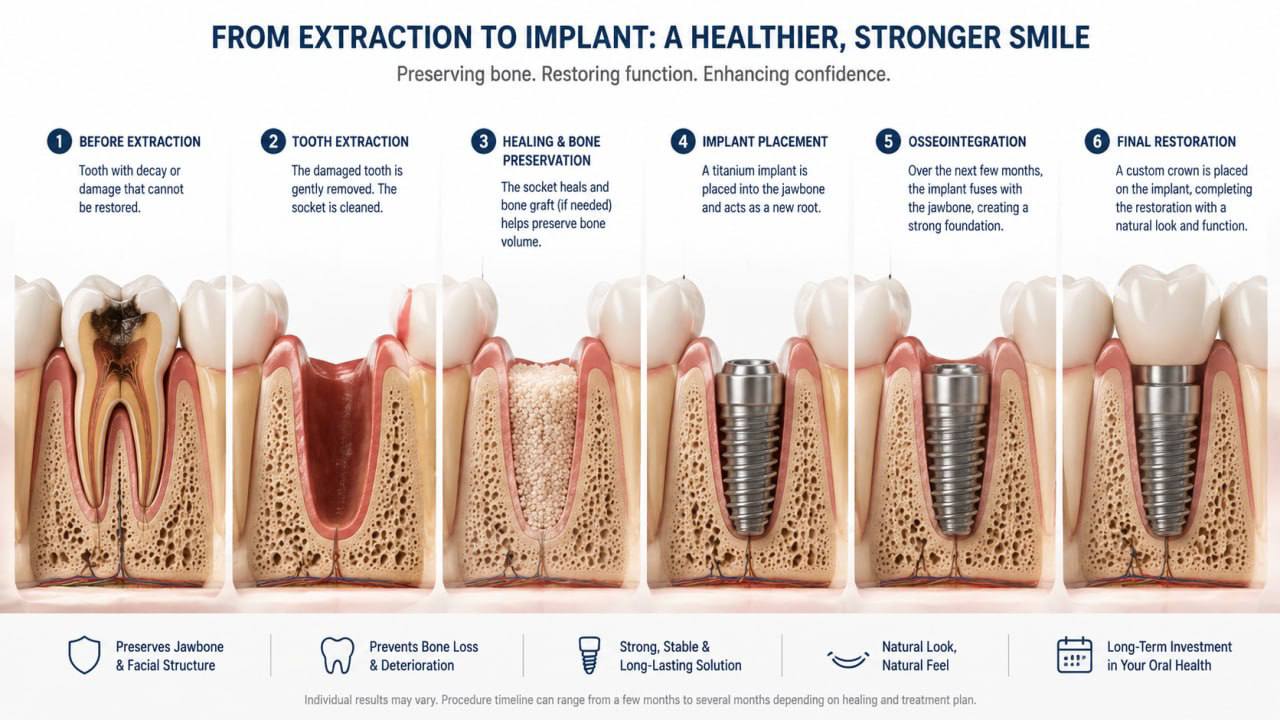
Unless the extracted tooth was a third molar (wisdom tooth), leaving a permanent gap in your smile creates long-term structural problems for your mouth. When a functional tooth is missing, the surrounding teeth naturally begin to shift toward the empty space, altering your bite alignment. The jawbone directly beneath the gap also begins to shrink due to a lack of daily chewing stimulation.
You generally have three primary options for replacing a missing tooth:
- Dental Implants: A durable titanium post is surgically placed directly into the jawbone. This is the most durable, natural-looking option available and actively prevents future bone loss.
- Dental Bridges: A custom-made prosthetic that anchors onto the neighboring healthy teeth to bridge the empty space.
- Partial Dentures: A removable appliance that rests on the gums and clasps onto adjacent natural teeth.
Discussing these replacement options during your initial extraction consultation ensures you have a clear, forward-thinking plan for restoring your complete smile.
Key Takeaways Before Your Extraction
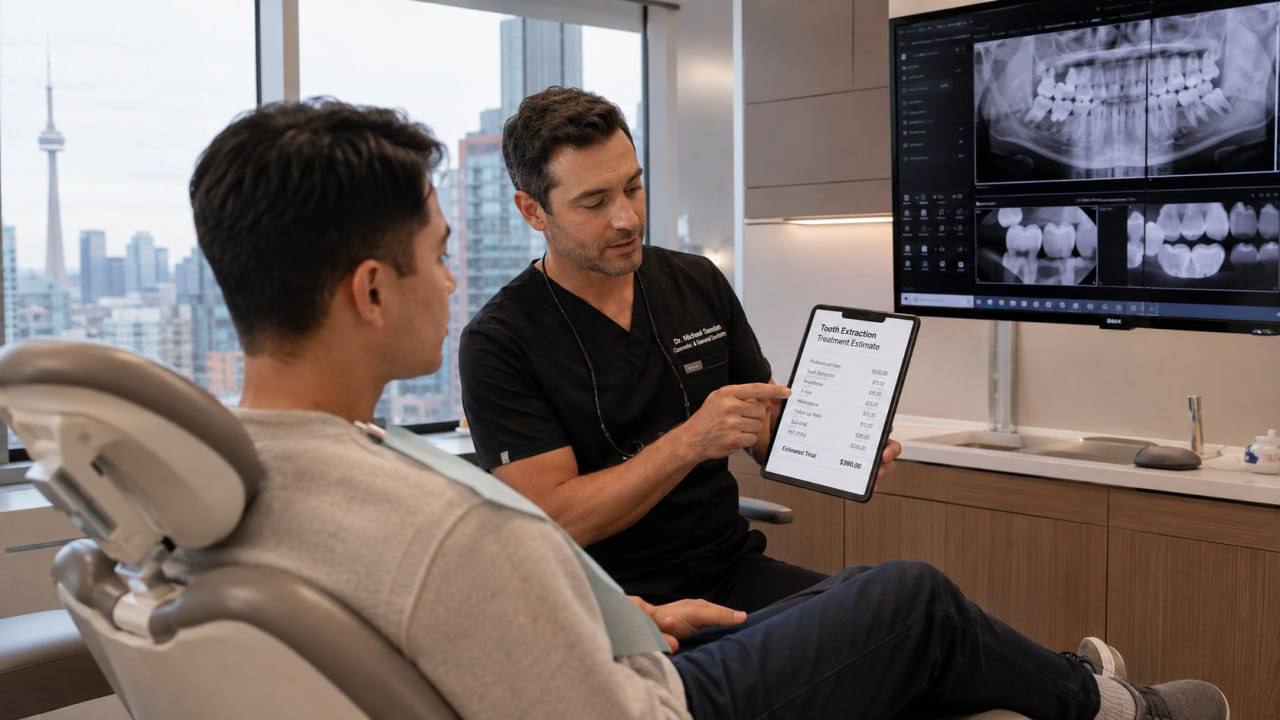
Planning ahead removes most of the stress from tooth removal, and the Tooth Extraction Cost Toronto clinics charge becomes far easier to predict once you know what drives it. A simple extraction in Toronto generally costs between $150 and $300, while surgical and impacted cases can range from $300 to $800 or more per tooth. Your final invoice depends on the tooth type, imaging needs, sedation choices, and infection level, so an accurate estimate always starts with a proper consultation. Private plans and the CDCP can significantly reduce your out-of-pocket costs, especially when you request a pre-authorization first. Acting early, before a damaged tooth turns into a painful emergency, keeps both the procedure and the bill as simple as possible.
Why Choose Market Dental Centre?
Finding a reliable healthcare provider near Lower Jarvis Street shouldn't feel like a gamble. Since 1981, Market Dental Centre has proudly served the downtown Toronto community with a strict focus on honest, patient-first care.
Our experienced dentists use modern digital imaging to provide accurate, transparent treatment recommendations. Whether you need a routine pull or an urgent, same-day emergency appointment, our team ensures a comfortable patient experience from start to finish. We handle direct billing and offer insurance assistance so the financial side of your visit remains completely straightforward.
If you are ready to address your dental pain safely and affordably, book an appointment with our experienced Toronto team today.
FAQ:
How much does tooth extraction cost in Toronto?
The average Tooth Extraction Cost Toronto residents pay typically ranges from $150 to $300 for a simple pull, while complex surgical removals can range from $300 to $800 or more depending on the impaction level.
Is surgical extraction more expensive?
Yes. Because these appointments require additional clinical time, targeted incisions, and advanced surgical instruments, the final fee is naturally higher than a simple pull.
Does insurance cover tooth extraction?
Most private Canadian health plans cover a percentage of the total bill. Routine pulls often fall under basic care (up to 100% coverage), while complex surgical removals usually fall under major services (around 50% coverage).
What is included in the extraction fee?
The base ODA fee generally covers the clinical time, the local anesthesia, the physical removal of the tooth, and the standard post-operative gauze provided before you leave.
Do I need X-rays before extraction?
Yes. Diagnostic imaging is essential for precisely identifying the hidden location of the roots and nearby sensitive facial nerves.
Is sedation included in the cost?
Standard local numbing is always included. However, choosing nitrous oxide (laughing gas) or deep intravenous (IV) sedation carries an additional, separate charge.
Is tooth extraction painful?
The actual procedure is completely numb and comfortable. You will feel heavy pressure, but no sharp pain. Any mild soreness afterward is easily managed with standard medication.
How long does recovery take?
Most people resume their normal daily habits within three to five days, though a simple extraction often heals faster than a surgical one. Full closure of the gum tissue takes about one month.
Can I eat after tooth extraction?
Wait until the local anesthesia fully wears off to avoid accidentally biting your numb cheek. Stick to soft, lukewarm foods for the first few days.
Can I drive after sedation?
If you receive only standard local anesthesia or mild nitrous oxide, you can usually drive yourself home. If you opt for deeper IV sedation, a trusted adult should drive you.
How much does emergency tooth extraction cost?
Emergency extractions follow standard ODA rates, but your clinic may charge an urgent assessment fee for the same-day scheduling.
What happens if I delay treatment?
Ignoring a severely damaged tooth allows harmful bacteria to spread, potentially causing painful abscesses, bone loss, or deep systemic infections that require expensive hospital care.
Should I replace the extracted tooth?
Yes, unless it is a wisdom tooth. Replacing a lost tooth with a dental implant or a dental bridge prevents your surrounding teeth from shifting and preserves your facial structure.
Can I return to work the next day?
Following a simple extraction, many people return to desk work the very next morning. Complex surgeries generally require at least two or three days of rest.
How can I prevent dry socket?
To protect the sensitive healing blood clot, avoid drinking straws, do not smoke cigarettes, and do not spit forcefully into the sink for the first few days of healing.
