








Dental Filling Cost in Toronto: Types, Prices & Insurance Coverage
Wondering about the dental filling cost Toronto? Discover 2026 price breakdowns, types of materials, insurance coverage, and how to book your appointment.

When researching the dental filling cost Toronto, knowing the exact tooth filling price or cavity treatment fees upfront can save you both stress and money. Whether you are dealing with a sudden toothache or a routine cavity, understanding the financial side of dental care is crucial. The price of restoring a decayed tooth depends heavily on the materials used, the location of the cavity, and your insurance coverage. Delaying treatment only leads to more expensive procedures like root canals or crowns. In this comprehensive guide, we will break down everything you need to know about filling types, 2026 average prices, the Canadian Dental Care Plan (CDCP), and how Market Dental Centre provides affordable, transparent care.
What Is a Dental Filling?
A dental filling is a standard restorative treatment designed to repair minor to moderate tooth damage, most commonly caused by tooth decay (cavities). When plaque builds up on your teeth, the bacteria produce acids that eat away at your enamel, creating a hole.
To prevent the decay from spreading to the inner pulp of the tooth, a dentist will carefully drill away the damaged portion, clean the area to remove bacteria, and fill the space with a durable material. This straightforward procedure not only stops the decay in its tracks but also restores the tooth's structural integrity, allowing you to chew and speak normally without pain.
Signs You May Need a Filling
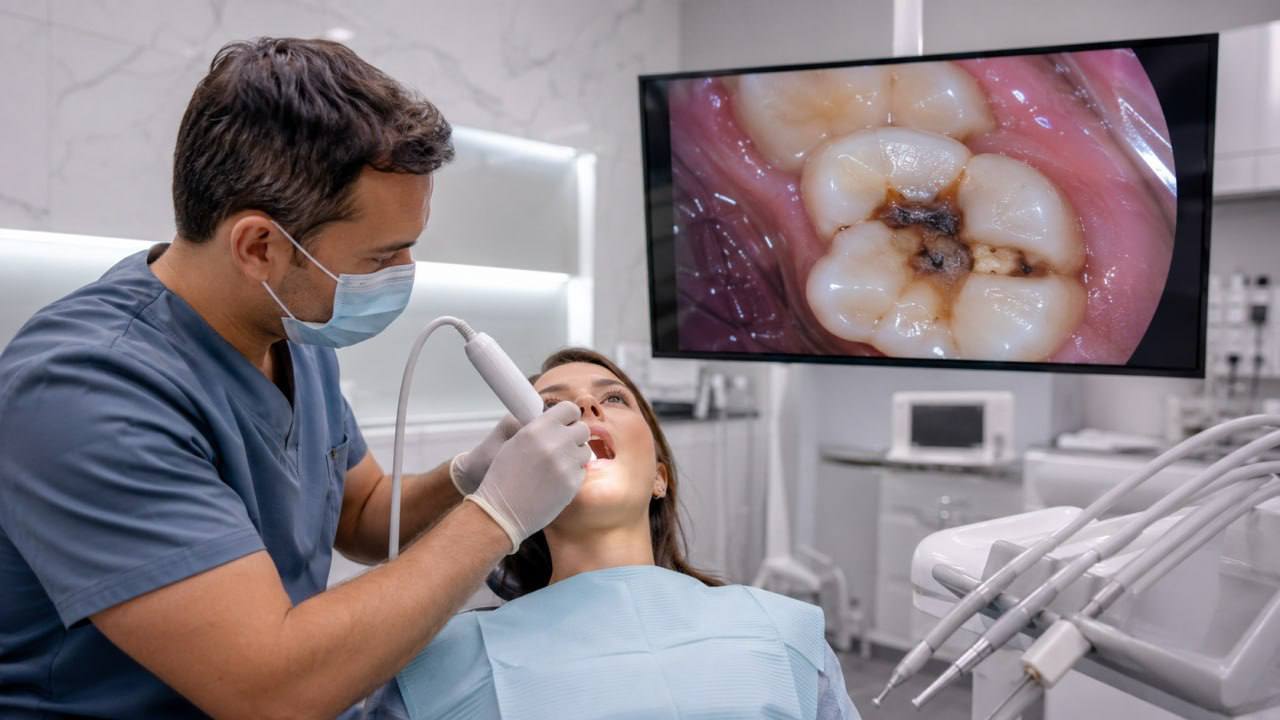
Catching a cavity early is the best way to minimize your dental restoration cost. Often, cavities in their earliest stages present no symptoms at all, which is why regular check-ups are vital. However, as the decay progresses, you may notice distinct warning signs.
If you experience any of the following symptoms, it is highly recommended to schedule a clinical examination:
- Tooth Sensitivity: A sharp or lingering pain when consuming hot, cold, or sugary foods and beverages.
- Visible Holes or Dark Spots: Noticing a distinct brown, black, or gray speck on the surface of your tooth.
- Floss Tearing: If your dental floss consistently catches or shreds in a specific spot between two teeth.
- Rough Edges: Feeling a jagged or sharp edge on a tooth with your tongue.
- Mild to Sharp Pain: Unprovoked toothaches or pain when biting down on food.
Types of Dental Fillings
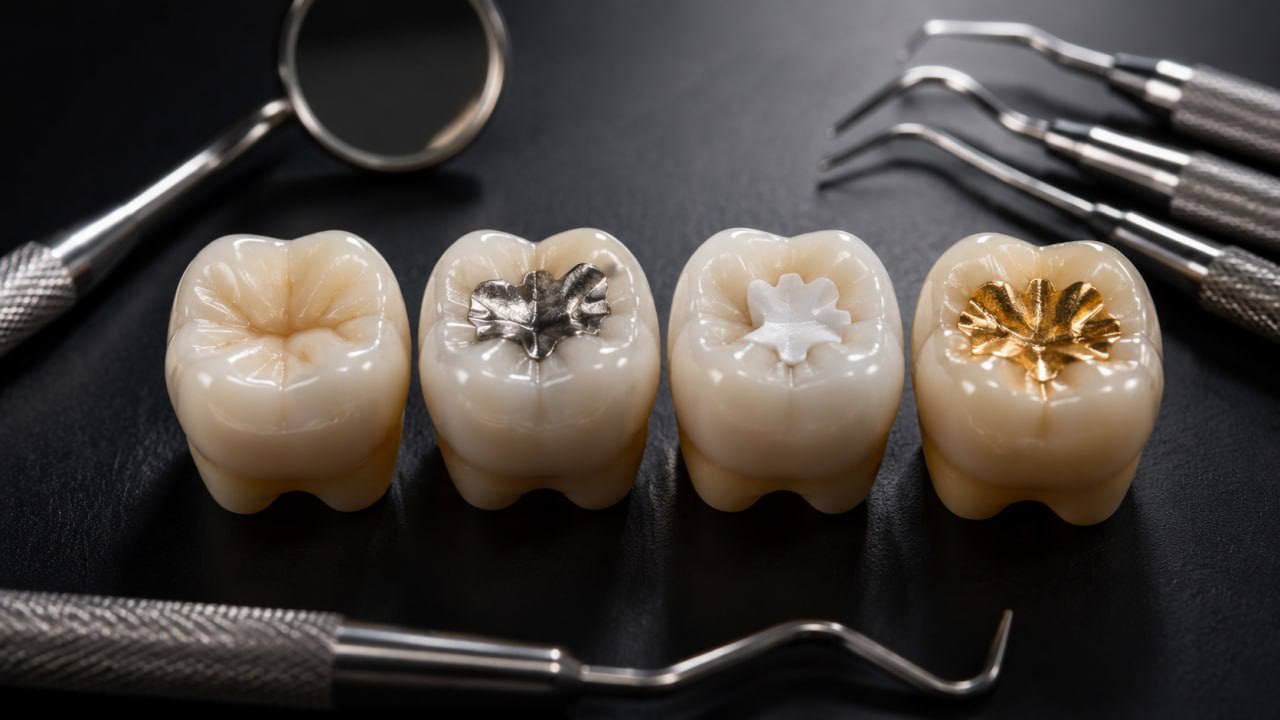
Dentistry has advanced significantly, offering patients multiple materials to choose from when restoring a tooth. The right choice depends on the tooth's location, the extent of the decay, your aesthetic preferences, and your budget.
Composite Resin
Composite resin fillings are currently the most popular choice for modern dental restorations. Made from a mixture of acrylic resin and finely ground glass or quartz, these fillings are carefully color-matched to blend seamlessly with your natural teeth. They bond directly to the tooth structure, providing excellent support, and are ideal for highly visible front teeth as well as back molars.
Silver Amalgam
Silver amalgam is a traditional filling material composed of a mixture of metals, including silver, tin, copper, and mercury. Renowned for its incredible durability and strength, amalgam is highly resistant to wear and tear. While its dark metallic appearance makes it unsuitable for front teeth, it remains a cost-effective and long-lasting option for restoring heavy-chewing back molars.
Glass Ionomer
Glass ionomer fillings are made from acrylic and a specific type of glass that releases fluoride over time. This fluoride release helps protect the surrounding tooth structure from further decay. These fillings are typically used for cavities below the gum line or for pediatric dentistry (children's primary teeth). However, they are generally weaker than composite resin and wear out faster.
Resin Ionomer
Similar to glass ionomer, resin ionomer contains acrylic and glass but includes a resin component that is cured with a special light. This makes it slightly more durable and aesthetically pleasing than standard glass ionomer. It also releases fluoride and is often used for small cavities or root decay.
Ceramic
Ceramic fillings, usually made of high-quality porcelain, are exceptionally durable and highly resistant to staining. Unlike composite, which can discolor over time, ceramic maintains its natural, tooth-like appearance for decades. These are typically fabricated in a dental laboratory as inlays or onlays and bonded to the tooth, making them a premium restorative option.
Gold
Gold fillings are cast in a dental laboratory and then cemented into place. Gold alloys are incredibly biocompatible, well-tolerated by gum tissues, and capable of lasting more than 20 years. While they do not match natural tooth color and represent the most expensive option, many dental professionals consider gold the gold standard for structural longevity.
Dental Filling Materials: A Comparison Table
Dental Filling Cost Toronto

Understanding the dental filling cost Toronto helps patients budget effectively for their oral health. Keep in mind that exact pricing cannot be guaranteed without a proper clinical examination, as fees vary based on the specifics of your unique case. However, the figures below reflect current average ranges based on the Ontario Dental Association (ODA) fee guidance.
2026 Estimated Dental Filling Prices
Note: Actual treatment fees depend heavily on the number of tooth surfaces involved, the severity of the decay, the specific tooth location, and individual clinic pricing structures.
Factors Affecting Dental Filling Cost
It is a common question why two patients might pay different amounts for what seems like the same procedure. The dental filling cost Toronto patients are quoted fluctuates based on several clinical and logistical variables.
- Filling Material: As seen in the pricing table, amalgam is cost-effective, while lab-created ceramic and gold demand a premium price.
- Number of Tooth Surfaces: Every tooth has five distinct surfaces. A cavity spanning three surfaces requires more material, skill, and time to restore than a simple one-surface cavity.
- Tooth Location: Reaching a back molar requires more effort, isolation, and time compared to easily accessible front teeth.
- Severity of Decay: Deeper cavities may require the placement of a specialized base or liner to protect the tooth's nerve before the filling is placed.
- X-rays and Diagnostics: If you are a new patient or haven't had recent imaging, diagnostic X-rays are necessary to see the full extent of the decay.
- Local Anesthesia: The cost of numbing agents is typically factored into the overall procedure.
- Additional Procedures: If a cavity is extremely deep, a root canal or crown buildup might be required instead of a simple filling.
- Dentist Experience and Clinic Location: Specialized dentists or clinics located in high-overhead urban centers may charge slightly higher fees than suburban practices.
Does Dental Insurance Cover Fillings?

Navigating dental insurance can be confusing, but the good news is that most plans heavily subsidize basic restorative care like fillings. Here is a breakdown of how different plans handle your treatment costs.
Private Insurance & Employer Benefits
Most employer-sponsored dental benefits and private insurance plans classify fillings under "Basic Restorative Services." Coverage typically ranges from 70% to 100% of the cost, up to your plan's annual maximum. It is essential to review your specific policy, as some plans may only cover the cost of a silver amalgam filling for back teeth; if you choose composite for a molar, you may need to pay the price difference out-of-pocket.
Canadian Dental Care Plan (CDCP)
The Canadian Dental Care Plan (CDCP) provides coverage for essential dental care, including fillings, for eligible Canadian residents who do not have access to private dental insurance. Depending on your adjusted family net income, the CDCP will cover a specific percentage, up to 100% for the lowest income brackets, of the established CDCP fee guide rates.
Understanding the Fine Print
- Direct Billing: Clinics like Market Dental Centre offer direct insurance billing, meaning we submit the claim on your behalf, and you only pay the remaining balance.
- Deductibles: You may need to pay a flat deductible amount out-of-pocket before your insurance coverage kicks in for the year.
- Annual Maximums: Most insurance plans cap your benefits at a certain dollar amount per year (e.g., $1,500). Once exceeded, further treatments are fully out-of-pocket.
- Co-payments: This is the percentage or fixed amount you are responsible for paying after insurance covers its portion.
Composite vs Amalgam Fillings
The choice between composite and amalgam is the most common dilemma patients face. While both effectively restore decayed teeth, they cater to different priorities.
For instance, a patient with a cavity on a highly visible premolar will almost always choose composite to maintain a natural smile. Conversely, a patient needing a large restoration on a second molar—where chewing force is immense—might opt for amalgam due to its superior strength and lower cost.
Composite vs Amalgam Comparison
How Long Do Dental Fillings Last?
No dental filling lasts forever. The constant pressure of chewing, grinding, and the acidic environment of the mouth eventually wear down all restorative materials.
- Composite: Averages 7 to 10 years.
- Amalgam: Averages 10 to 15 years.
- Ceramic: Averages 15 to 20 years.
- Gold: Can easily last 20+ years.
Maintenance Tips for Longevity:
To get the most out of your investment, brush twice daily with fluoride toothpaste, floss at least once a day, and avoid biting down on hard objects like ice, pens, or hard candies. Regular dental cleanings are also important, as your dentist will inspect your fillings for signs of leakage or failure before they become painful.
Can Delaying a Filling Increase Costs?
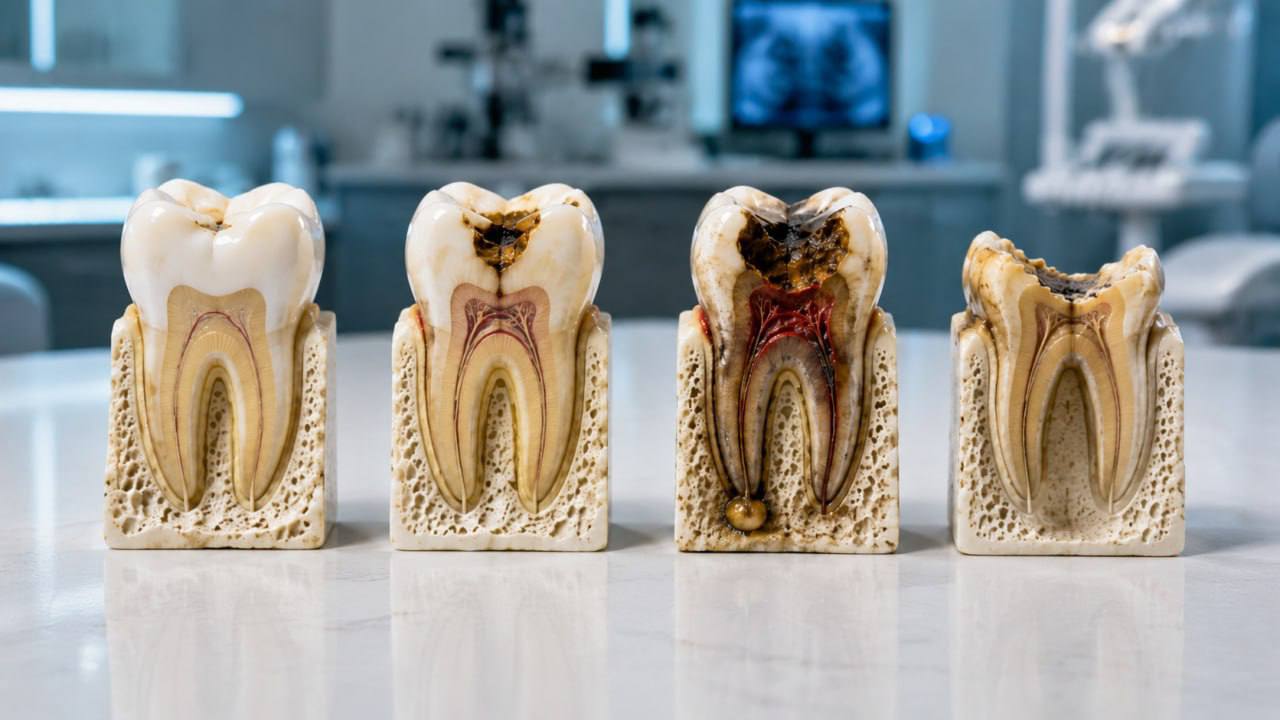
Delaying treatment is the fastest way to turn a minor dental expense into a major financial burden. Tooth decay is a progressive disease, and it does not heal on its own.
Here is a real-world example of the cost progression when a filling is ignored:
- Small Cavity: Reversible with fluoride or requires a simple, inexpensive single-surface filling.
- Large Cavity: Requires a multi-surface filling or a more expensive ceramic inlay/onlay.
- Root Canal: The decay reaches the tooth's nerve, causing severe pain. Root canals cost hundreds to over a thousand dollars.
- Dental Crown: After a root canal, the hollowed tooth requires a custom dental crown to prevent fracturing, adding $1,000 or more to the bill.
- Extraction: The tooth becomes unsalvageable and must be pulled.
- Dental Implant: Replacing the missing tooth to restore function and prevent bone loss can cost upwards of $3,000 to $5,000.
Early diagnosis and prompt treatment are the most effective strategies for keeping your oral healthcare costs low.
Ways to Reduce Dental Filling Costs
Quality dental care shouldn't have to break the bank. Here are practical ways to manage and reduce the dental filling cost Toronto residents end up paying:
- Use your insurance and CDCP: Always maximize your available benefits before the calendar year ends.
- Prioritize preventive care: Routine check-ups and cleanings are much cheaper than restorative work.
- Seek early treatment: Fix small cavities immediately before they require complex procedures.
- Ask about payment plans: Many clinics partner with third-party dental financing companies to split the cost into monthly installments.
- Choose direct insurance billing: A clinic that bills your insurance directly means you don't have to front the entire cost and wait for reimbursement.
Pediatric Dental Fillings and Alternatives for Children
When considering the overall dental filling cost Toronto families face, remember that treating children requires a specialized approach. Primary teeth, commonly known as baby teeth, have thinner enamel and larger nerve spaces compared to adult teeth. This means tooth decay can spread much faster, quickly reaching the inner pulp. While standard composite resin or glass ionomer fillings remain the most common treatments for pediatric patients, many parents worry about the anxiety, discomfort, and costs associated with traditional drilling and local anesthesia.
Silver Diamine Fluoride (SDF): A Drill-Free Option
If your child is diagnosed with a small to moderate cavity, modern pediatric dentistry offers minimally invasive, cost-effective alternatives. Silver Diamine Fluoride (SDF) is a medically approved liquid that is clinically proven to halt active tooth decay without the need for needles, drills, or sedation. The dentist simply brushes this antimicrobial liquid directly onto the affected tooth surface. The silver component neutralizes cavity-causing bacteria, while the fluoride remineralizes the surrounding enamel.
This treatment is an excellent, budget-friendly solution for young children, toddlers, or patients experiencing severe dental anxiety. Although SDF does turn the decayed portion of the tooth dark, it provides a fast, painless, and affordable method to preserve a baby tooth until it naturally falls out.
Insurance and CDCP Coverage for Kids
Pediatric dental restorations are well supported by both private health insurance providers and government programs. Under the CDCP and regional initiatives like Healthy Smiles Ontario, eligible children can receive comprehensive restorative care. This includes standard tooth-colored fillings and drill-free SDF applications, often resulting in little to zero out-of-pocket expenses for parents. Early intervention protects your child's developing smile while keeping your long-term family dental costs manageable.
Key Takeaways Before Your Appointment
Planning ahead removes most of the stress from cavity treatment. The dental filling cost Toronto clinics charge generally runs from $150 to $400 for composite and $120 to $350 for amalgam, with ceramic and gold sitting well above that range. Your final invoice depends on the material, the number of surfaces, the tooth's location, and how deep the decay has gone, so an accurate estimate always starts with a clinical exam and X-rays. Private plans typically cover 70% to 100% of basic restorative work, and the CDCP fills the gap for eligible patients without workplace benefits. Above all, treating a small cavity now is dramatically cheaper than the root canal, crown, or implant that follows if you wait.
Why Choose Market Dental Centre?

When it comes to your smile, you deserve care that is professional, transparent, and compassionate. At Market Dental Centre, we prioritize your comfort and your financial peace of mind.
- Experienced dental team: Our skilled professionals use current techniques to deliver comfortable, long-lasting restorations.
- Digital dentistry: We use advanced digital X-rays and intraoral scanners for precise, early cavity detection.
- Transparent fees: We provide clear, detailed cost estimates before any treatment begins, with no hidden surprises.
- Direct insurance billing: We accept most insurance plans and handle the paperwork for you.
- Emergency dentistry: Suffering from a sudden toothache? Our emergency dental care gets you out of pain quickly.
- Family-friendly care: From pediatric glass ionomer fillings to adult ceramic restorations, we treat patients of all ages.
- Convenient Toronto location: Easily accessible for downtown and GTA residents.
Book Your Dental Filling Consultation Today!
Don't wait for a minor cavity to become a major problem. Get a personalized cost estimate and secure your oral health.
- Call Market Dental Centre Today
- We Accept Most Insurance Plans
- Schedule Your Same-Day Appointment
FAQ
1. What is the average cost of a dental filling in Toronto?
The average dental filling cost Toronto ranges from $150 to $400 for tooth-colored composite resin fillings. Traditional silver amalgam fillings are slightly cheaper, ranging from $120 to $350. Exact pricing depends on the size of the cavity and the specific tooth being treated.
2. Does dental insurance in Ontario cover the full cost of fillings?
Most private and employer-sponsored dental insurance plans cover between 70% and 100% of the cost of basic restorative services like fillings. However, your coverage may be subject to annual maximums, deductibles, or fee guide caps.
3. Why are white (composite) fillings more expensive than silver (amalgam) fillings?
Composite fillings require specialized materials, advanced bonding agents, and a more time-consuming, moisture-sensitive application process. The equipment and time required for a dentist to meticulously shade-match and sculpt the composite resin drive the price slightly higher than traditional amalgam.
4. How much does a filling cost without insurance in Toronto?
Without insurance, you can expect to pay out-of-pocket based on standard clinic rates. A standard single-surface composite filling generally costs between $150 and $250. Many clinics offer payment plans to help uninsured patients manage this expense.
5. Are tooth-colored fillings covered by OHIP?
No, the Ontario Health Insurance Plan (OHIP) does not generally cover standard dental procedures like fillings for the general adult population. Dental care in Ontario is largely privatized, though specific government programs (like CDCP, Ontario Seniors Dental Care Plan, or Healthy Smiles Ontario) provide coverage for eligible demographics.
6. How long do dental fillings last before they need replacement?
On average, composite resin fillings last 7 to 10 years, while amalgam fillings can last 10 to 15 years. Longevity depends heavily on your oral hygiene habits, diet, and whether you grind your teeth at night.
7. Does the location of the tooth affect the filling price?
Yes. Treating a back molar is clinically more challenging. It requires more time, intricate moisture control, and often more filling material. Consequently, multi-surface molar restorations usually cost more than single-surface fillings on front teeth.
8. Is it worth getting a filling replaced if it’s not hurting?
Absolutely. If your dentist notices that an old filling is cracked, leaking, or wearing away, bacteria can seep underneath it and cause severe internal decay. Replacing a failing filling before it hurts prevents the need for an expensive root canal later.
9. Are there extra costs associated with a dental filling appointment?
Yes, depending on your case. If you are a new patient or presenting with an emergency toothache, you will likely be billed for a specific oral exam and diagnostic X-rays in addition to the actual cost of the filling.
10. How can I find affordable dental fillings in the Greater Toronto Area (GTA)?
Look for clinics that strictly follow the current Ontario Dental Association (ODA) fee guide, offer direct insurance billing to minimize upfront out-of-pocket costs, and provide flexible payment plans or financing options. Preventative care is also the best way to keep long-term costs low.
